Outage probability scoring
Risk scored by circuit and span, so you see where the next outage is most likely — not just that a storm is somewhere in the region.

Hardware
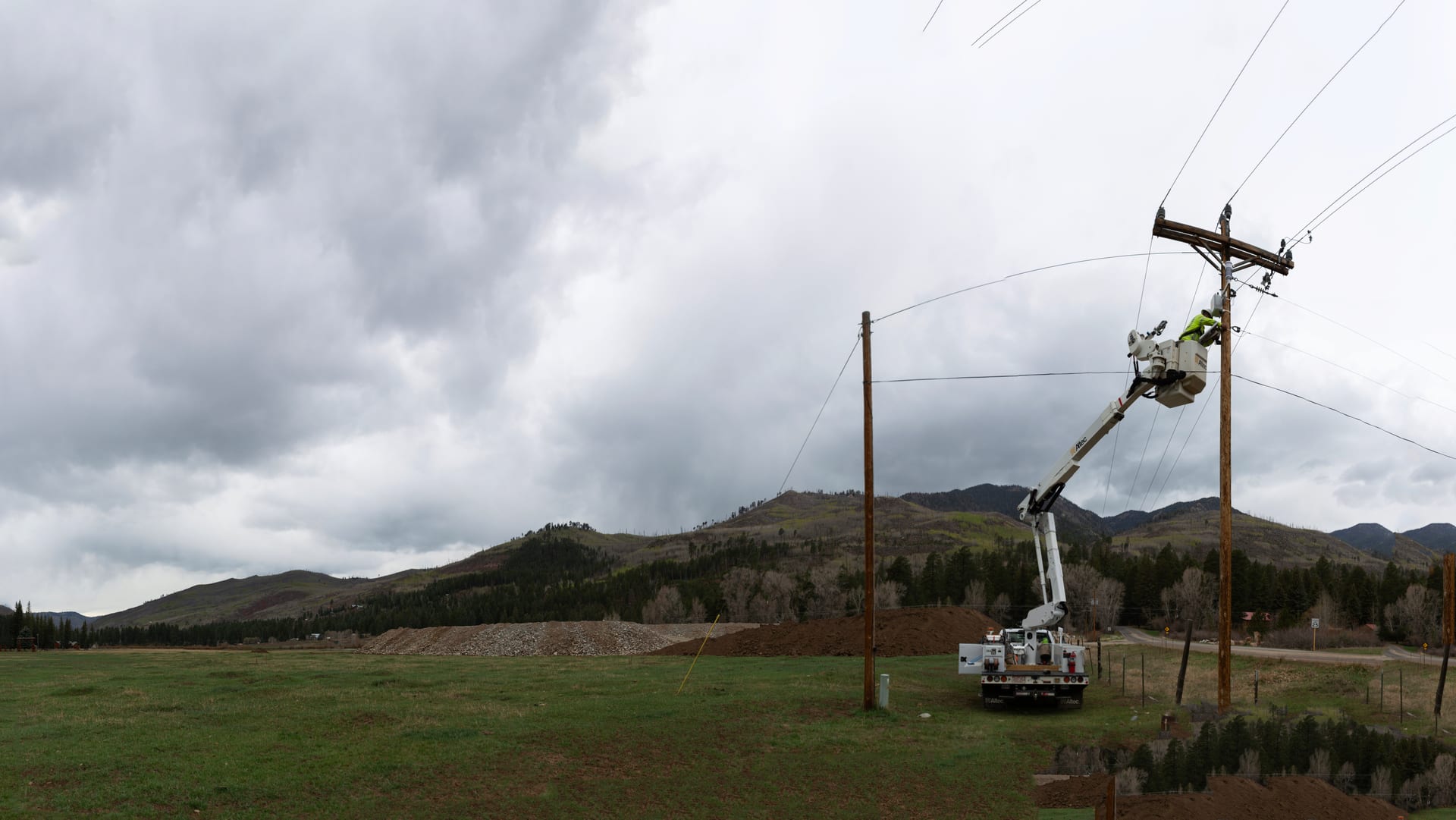
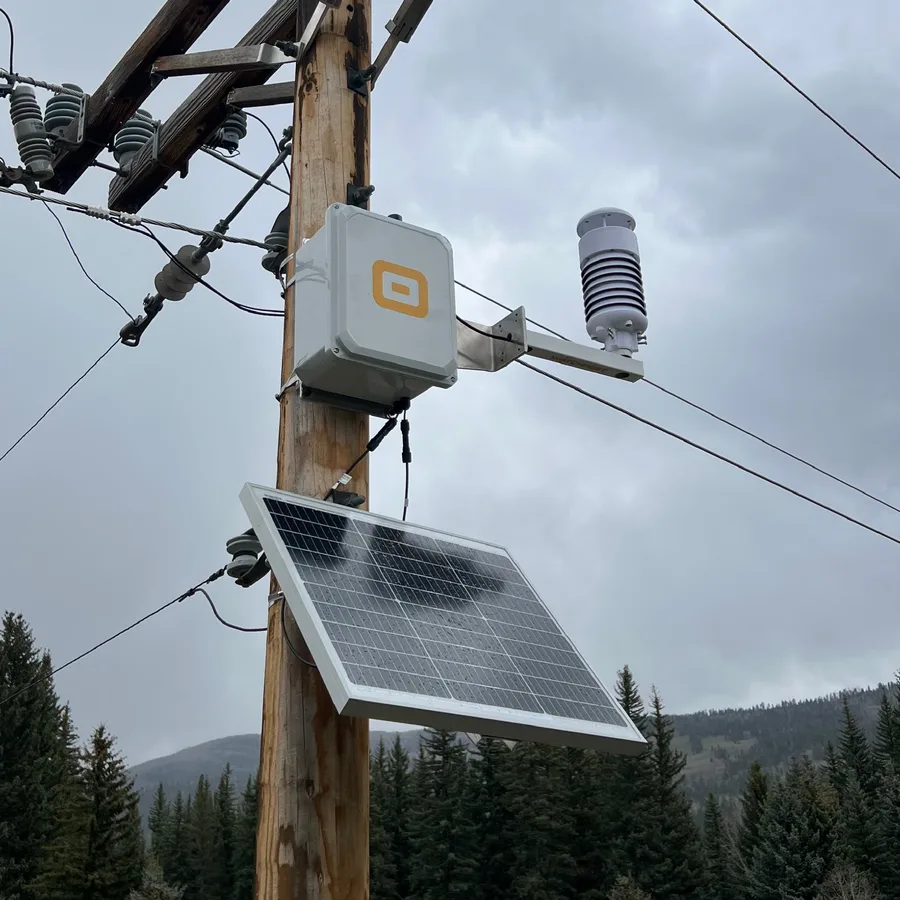
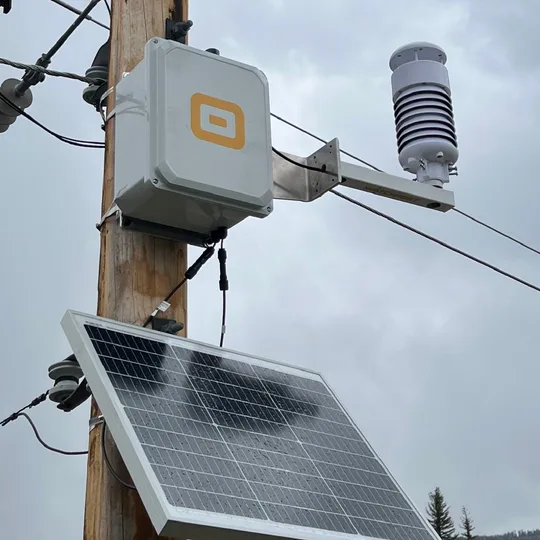
A custom built, solar-powered weather station one lineman can install in 15 minutes. It measures conditions live from your spans of highest risk.
Connecting to live sensor…
Inside the platform
Software
Hyperlocal weather readings become live dashboards, weather-risk scoring, customizable alerting, and so much more.
Vertically integrated AI
By fusing terrain, vegetation, and weather intelligence with the systems you already run, WatchPost transforms static, fragmented datasets into an intelligence platform that works for your organization.
How the fusion works
Fragmented datasets in, one intelligence platform out.
What the platform enables
One operational picture, built to drive the decisions that keep the lights on — before the event, not after the report.
Risk scored by circuit and span, so you see where the next outage is most likely — not just that a storm is somewhere in the region.
Recommendations to position crews before events hit, turning response time into lead time.
Risk-ranked vegetation-management priorities, so trim budgets target the spans that actually threaten reliability.
Equipment and pole maintenance flagged ahead of failure, from conditions measured right at the asset.
Alerts tuned to your grid and delivered anywhere — from the management dashboard to the lineman’s phone.
A complete, timestamped record of conditions and decisions for regulatory and insurance documentation.
FAQ
Short answers for operations managers, engineers, and general managers. If your question is not here, ask it in the form below.
WatchPost is a weather-risk platform for electric co-ops and small utilities. WatchPost puts solar-powered weather stations on your distribution poles, on the spans most exposed to wind, fire weather, and storms. The platform combines their readings with your grid data and scores weather risk for each circuit, so you see your highest-risk spans before severe weather hits.
A public forecast gives one value for a 2.5 km grid cell. In mountain terrain, near-ground temperatures can differ by more than 4 °C within 1 km. The nearest public station usually sits at an airport or a remote fire-danger site, not on your lines. A WatchPost station measures the span itself, where shutoff and crew decisions happen.
A WatchPost station measures wind speed, gusts, and direction, plus temperature, relative humidity, air pressure, and rainfall. Wind, temperature, and humidity are the inputs to standard fire-weather indices. The platform adjusts wind readings to a standard 10 m height, so readings from different poles compare directly.
A WatchPost station reports every 5 minutes over a cellular link. In high-wind mode, it reports every 30 seconds, so you watch a wind event build in real time. Public fire-weather stations (RAWS) report once an hour.
A typical WatchPost install takes one lineman about 15 minutes per pole. The station runs on solar power and sends data over cellular, so it needs no grid connection, no trenching, and no data line. WatchPost helps you choose poles with cellular coverage.
WatchPost does. WatchPost owns every station on your poles. If a station stops reporting, WatchPost sends its own crew to repair it in person. Your team does not take on a hardware maintenance program.
WatchPost sends an alert by email and push notification when conditions at a station cross your thresholds. Each user chooses their channels. Alerts and live readings appear in both the web and mobile apps.
Yes. You upload outage history from your OMS, and GIS layers such as poles, lines, substations, and vegetation, as files or workbooks. WatchPost runs each import as a dry run before it merges, and you can revert it. WatchPost does not connect live to OMS, GIS, or SCADA systems today.
Yes. WatchPost also forecasts outages by combining weather with your imported outage history. The forecast shows where outages are most likely. At one partner co-op, that history covers more than 20,000 outage records from 2016 to 2026.
WatchPost pricing depends on how many stations you deploy and which software features you use. Contact us for a quote through the form below.
Fill in the form below and we'll get back to you as soon as possible.